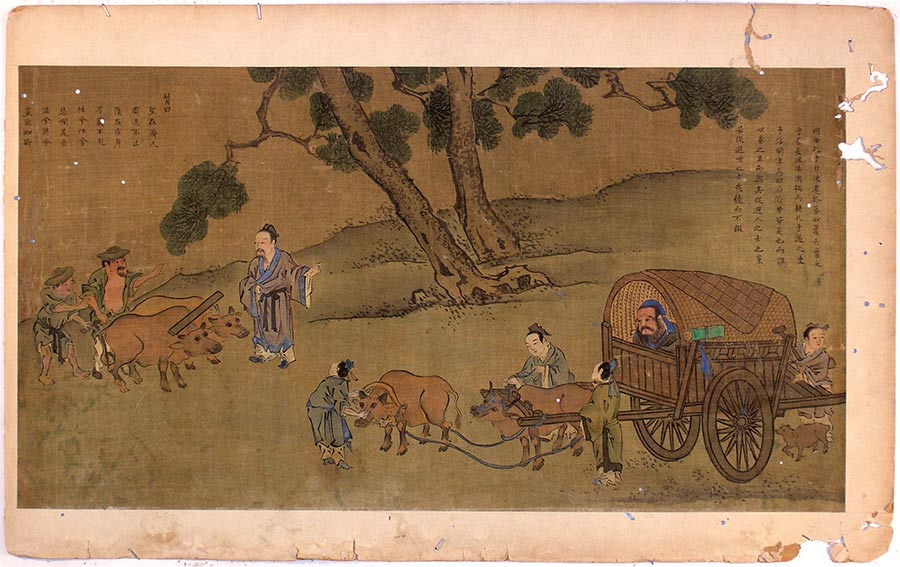
Ming Dynasty Calligraphy and Painting
Introduction
The Ming Dynasty (1368-1644) was a golden era for Chinese art, characterized by its refinement and innovation of traditional styles. As one of the most culturally vibrant periods in Chinese history, the Ming Dynasty witnessed the flourishing of calligraphy and painting, often considered twin pillars of Chinese visual arts.
Scholars, professional artists, and literati alike contributed to the development of these art forms, imbuing them with profound intellectual, philosophical, and aesthetic significance. The legacy of Ming calligraphy and painting continues to inspire and shape Chinese art today.
Historical Context
The Ming Dynasty marked a return to native Han Chinese rule following the Yuan Dynasty (1271-1368). This political shift fostered a resurgence in Confucian ideals, which influenced artistic practices and themes. The imperial court provided patronage to artists and calligraphers, elevating their status and encouraging innovation. Additionally, advancements in papermaking and printing allowed for the broader dissemination of artistic techniques and theories, fostering a more widespread appreciation and practice of calligraphy and painting among the literati class.
Features of Ming Calligraphy
Ming calligraphy is distinguished by its balance between tradition and personal expression. Calligraphers often drew inspiration from earlier masters while also striving to develop their unique styles. Prominent calligraphers such as Dong Qichang emphasized the importance of "learning from the past to create the new", blending historical influences with innovative techniques.
Different script styles, including regular (kaishu), running (xingshu), and cursive (caoshu), were practiced and revered during this era. Calligraphy was often integrated into painting compositions, reflecting the harmonious interplay of words and imagery. This integration underscored the literati's belief in the unity of the arts and their shared capacity to convey profound philosophical and emotional depths.
Characteristics of Ming Painting
Ming Dynasty painting is renowned for its diversity, encompassing both courtly and literati traditions. Court painters, supported by the imperial workshop, focused on meticulous, highly detailed works. Subjects often included historical narratives, portraits, and nature studies, painted with precise brushwork and vibrant colors. These works symbolized the grandeur and authority of the Ming court.
In contrast, literati painters, many of whom were scholar-officials, prioritized personal expression over technical perfection. They often employed a more spontaneous style, characterized by monochromatic ink washes and abstract compositions. Themes included landscapes, bamboo, and plum blossoms, which conveyed the painter's inner thoughts and moral ideals. Notable figures such as Shen Zhou, Wen Zhengming, and Tang Yin exemplified this approach, blending artistic skill with literary and philosophical depth.
Cultural Impact and Legacy
The Ming Dynasty's advancements in calligraphy and painting left an enduring legacy in Chinese art. The integration of scholarly ideals with visual aesthetics influenced subsequent generations, particularly during the Qing Dynasty (1644-1911). The Ming period also saw the rise of art as a commodity, with collectors and connoisseurs playing a significant role in preserving and promoting artistic traditions.
Today, Ming calligraphy and painting are celebrated as quintessential examples of Chinese cultural heritage. Their enduring appeal lies in their ability to reflect the complexities of the human spirit, blending technical mastery with profound intellectual and emotional expression.








